Audifort is not a tinnitus treatment, and its label does not mention tinnitus. NIDCD, the National Institutes of Health institute that covers hearing, says there is no cure for tinnitus and that no vitamin, herbal extract or dietary supplement has been proven to work for it. There are ways to make it easier to live with, though, and NIDCD's advice starts with a doctor visit.
One exception jumps the queue. If ringing arrives together with a sudden drop in hearing, NIDCD calls that a medical emergency and says to see a doctor immediately.
How common tinnitus is
Tinnitus is sound that has no outside source, so nobody else can hear it. It may ring, buzz, roar or hiss. The NIDCD tinnitus page says surveys put it at 10 to 25% of adults, and it counts tinnitus as chronic once it lasts three months or longer.
- 10 to 25%
- of adults have tinnitus, by survey estimates on NIDCD's tinnitus page
- about 25 million
- US adults (roughly 10%) had tinnitus lasting at least 5 minutes in the past year
- 14.4%
- of adults worldwide have experienced tinnitus
- about 2%
- of adults worldwide have experienced severe tinnitus
Source: NIDCD, Tinnitus (updated May 1, 2023) and Quick Statistics About Hearing (updated September 20, 2024).
NIDCD links tinnitus to noise exposure, hearing loss, earwax or ear infections, head or neck injuries and some medicines, especially at high doses. Its examples include ibuprofen, naproxen and aspirin, certain antibiotics and some antidepressants. Some people develop it for no known reason.
What NIDCD lists for easing symptoms
NIDCD's wording is direct: "Currently, there is no cure for tinnitus, but there are ways to reduce symptoms." The table sums up each approach the way NIDCD describes it.
| Approach | What NIDCD says about it |
|---|---|
| Tabletop or smartphone sound generators | Typically used to help with relaxation or sleep |
| Hearing aids | One of the main treatment options for people with tinnitus who have hearing loss |
| Wearable sound generators | Small devices that fit in the ear like hearing aids and play soft sounds through the day |
| Combination devices | Amplification and sound generation in one device |
| Counseling and education | Can lower the impact of tinnitus and the anxiety around it |
| Cognitive behavioral therapy | Studies show it can help improve well-being |
| Tinnitus retraining therapy | Counseling plus low-level sound so you stop noticing the tinnitus |
| Medications | None made specifically for tinnitus and none FDA approved for it; a doctor may prescribe antidepressants or anti-anxiety drugs for mood or sleep |
| Vitamins, herbal extracts, supplements | Often advertised as cures; "none of these has been proven to be effective" |
If hearing loss sits under your tinnitus, the device rows matter most. Our comparison of Audifort and OTC hearing aids covers who can buy an aid without a prescription.
Where that leaves Audifort
The label says Audifort "supports healthy hearing" next to the standard disclaimer that the product is not meant to diagnose, treat, cure or prevent any disease. The order page goes further, saying that once your body adapts "you will notice less noise and better ear health." That is the seller's claim. A PubMed search for Audifort returned no studies when we ran it in October 2026, and none of the titles in the order page's reference list, which includes an NIDCD item on tinnitus in rats, is a study of Audifort.
The closest human evidence for any single ingredient is a small Korean red ginseng trial at a dose far above Audifort's entire 200 mg blend; our write-up of the ginseng tinnitus study walks through it.
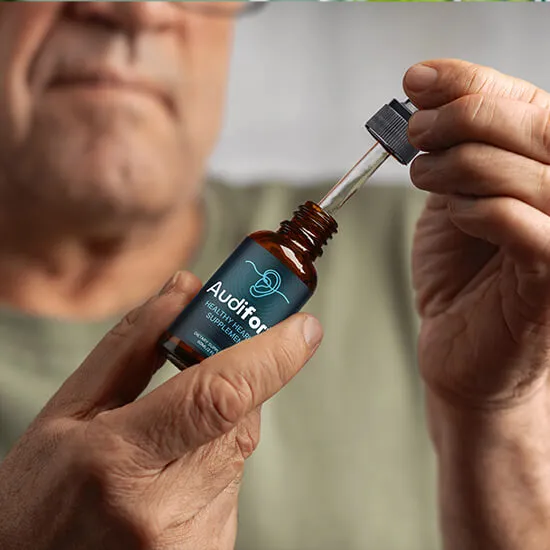
Our view: if you try Audifort, treat it as a general supplement with a 90-day refund window and leave tinnitus care to your doctor. Check our list of who should skip Audifort first, since some blend items carry their own cautions.
From $49 a bottle · free US shipping on 3 and 6 packs
See the 2, 3 and 6 bottle packs →We earn a commission if you buy through this link.
When to see a doctor, and when to go right away
For ordinary, ongoing tinnitus, NIDCD says to see your primary care doctor first. They check for earwax or fluid from an ear infection and ask about your medicines and medical history. From there you may be sent to an ear, nose and throat doctor, and to an audiologist who measures your hearing.
Sudden deafness is different. The NIDCD sudden deafness page describes an unexplained, rapid loss of hearing, all at once or over a few days, often in one ear and often noticed on waking. Ringing, dizziness or a full feeling in the ear can come with it. Steroids work best when started as soon as possible.
- Hearing dropped suddenly in one or both ears: see a doctor immediately. NIDCD treats it as a medical emergency.
- Ringing or buzzing in only one ear: the FDA's red-flag list for hearing aid buyers points you to a doctor, ideally an ENT.
- Ringing with strong dizziness or a spinning feeling: also on that FDA list.
- A sound that pulses, often in time with your heartbeat: NIDCD says an ENT may order imaging.
- Ringing that began after starting a new medicine: tell the prescriber, since NIDCD lists some drugs as a cause.
The number to remember is two to four weeks. NIDCD says sudden deafness treatment delayed beyond that is less likely to reverse or reduce permanent hearing loss, and it notes that people often put the visit off, blaming allergies, a sinus infection or earwax.